Gas smell first: what to do before you call a plumber
Leave the building, then call 911 and your gas utility
If you smell gas, a rotten-egg odor or hear hissing, get everyone out of the house right away. Do not switch lights on or off, do not use a phone inside, and do not try to find the leak.
From outside, call 911 and your gas utility's emergency line. Wait for them to clear the building. Call a plumber only after the utility says it is safe to go back in.
That order matters because a gas leak is a fire and explosion risk, and a plumber cannot clear it from the driveway. Everything below on gas piping assumes the line is already safe. New fixtures and piping go in to the Indiana Plumbing Code, and where a permit applies, the local building authority inspects the work.
What counts as plumbing installation
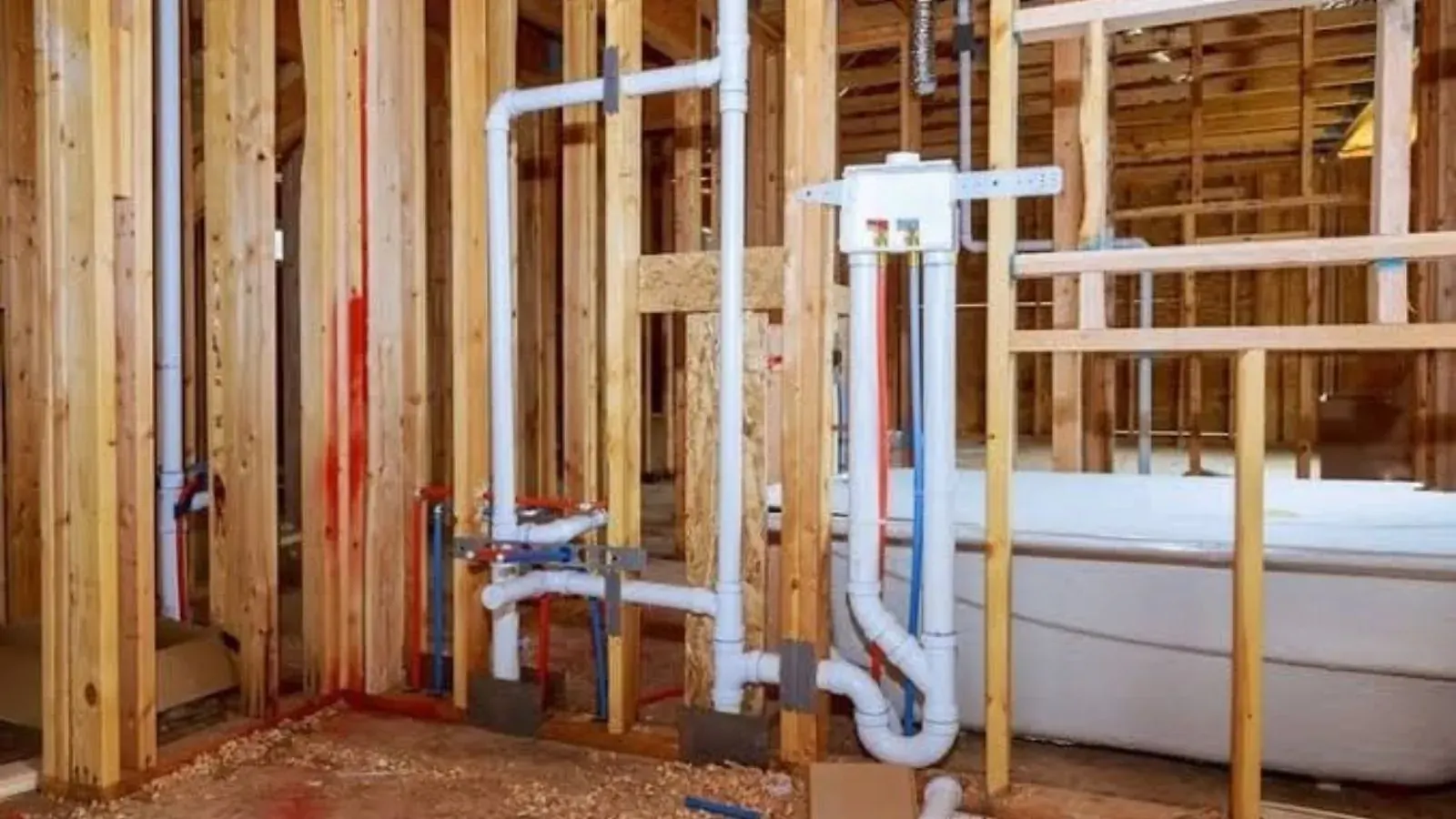
Installation work puts new pipe, fixtures or equipment into a building. In Shelbyville, Indiana the jobs we see most are bathroom and kitchen fixtures, new bathroom rough-ins in basement remodels, outdoor faucets, dishwasher and washer hookups and the gas lines behind ranges, dryers and fireplaces.
Each one has a proper order. Rough-in comes before drywall, a pressure test comes before the wall closes, and fixtures are set last.
Sinks, tubs and showers
Supply stops, traps, vent connections and a shower valve set at the right depth for the tile.
Toilet and bidet installs
Flange height, wax or wax-free seal and a level floor decide whether it rocks later. See toilet repair and install.
Outdoor hose bibs
Frost-free sillcocks that slope slightly down and shut off inside the wall, so winter does not split the pipe.
Appliance hookups
Dishwasher, washer box, ice maker line and a drain with an air gap or high loop.
Basement bath rough-ins
Below-grade drains may need an ejector pit. Slab cutting and venting come first.
Gas appliance lines
Range, dryer, fireplace insert and conversion between natural gas and propane. Covered in the next section.
Gas piping: how a safe installation goes
Gas piping is sized by the total BTU load and the length of the run. Black iron or CSST tubing carries it, joints are sealed with gas-rated compound or flared fittings, and every connection is leak tested before it is put in service.
We test with a manometer and gas-safe leak solution or an electronic detector. A drop in the gauge over the test period means a leak somewhere, and the work is not done until it holds.
Gas piping rules follow NFPA 54, the National Fuel Gas Code, which covers pipe sizing, leak testing and purging. Ask what test pressure and duration your plumber uses, because a short test can miss a slow leak.
Confirm the load
We add up the appliance inputs and measure the run from the meter. That tells us pipe size.
Run and secure the line
Proper support, protection through walls and a shutoff valve within reach of every appliance.
Pressure test with a manometer
The new section is held at test pressure and watched for any drop.
Check every joint
Leak solution or a detector goes over each connection, and the appliance is lit and checked for a clean flame.
Inspection where required
A final inspection is done where the local rules call for it.
Gas line work is not a DIY job. In the city of Shelbyville, only registered plumbing contractors can pull plumbing permits, and homeowners working on a home they own and live in must get a permit first. Outside the city, permit rules vary, so ask the building department. If your project starts with a heater, see water heater installation.
After gas work, before you use the appliance
Run through these once the plumber finishes. They take five minutes.
- Ask to see the manometer reading or the leak test result for the new section.
- Smell around every new joint and the appliance. A rotten-egg odor means leave, then call 911 and your gas utility.
- Find the shutoff valve at the appliance and confirm it turns freely.
- Test the carbon monoxide alarm, and keep one on each level and near bedrooms.
- A burner flame that burns mostly yellow instead of blue needs service before further use.
- Ask whether the permit was pulled and the work inspected where the rules call for it.
Backflow testing for commercial and irrigation systems
Backflow is water flowing the wrong way, from a building or irrigation system back into the public supply. A backflow preventer is a mechanical assembly with check valves and test cocks that blocks reverse flow. Testing proves the valves still seal.
Commercial buildings, restaurants, car washes, fire sprinkler systems and lawn irrigation systems with chemical injection are the usual places these devices are required. Horseshoe Indianapolis and other hospitality properties near I-74 are the kind of large sites where cross-connection control matters. If you run a business like that, ask your water provider about its rules.
What the test confirms
- Both check valves hold pressure
- The relief valve opens at the correct differential
- The shutoff valves seal
- Results are written on a test report
What to ask the city or utility
- Whether your property needs an assembly at all
- Which type of device is accepted, such as RPZ or double check
- Who must be certified to test it
- How often a test report is due and where it goes
Reduced pressure assemblies are built to ASSE 1013 and double check assemblies to ASSE 1015. A replacement should carry the listing your utility accepts for your property, so confirm it before you buy.
Requirements can come from the city, the water utility or the state, and they differ by use. We recommend asking the city or utility who requires testing for your property, then having a qualified tester send the report to the right office. A related look at your site is on our commercial plumbing page.
Planning an install in an older Shelbyville house
Pre-1940 homes, such as those in the West Side Historic District, can combine galvanized supply pipe with cast iron or clay drains. Tying new copper or PEX to old galvanized creates pressure and rust problems, so we look at what is in the wall before connecting.
If the existing lines are failing, a partial install on top of them will not hold up. It may make sense to look at repiping first and then add fixtures once the lines are sound.
What shapes the price of a plumbing installation
Installation prices depend on scope more than on any single fixture.
Insurance does not usually pay for new installation or upgrades. It may pay for sudden water damage if a new fitting fails and floods a room, so keep receipts and photos and read your policy.
Ready to plan the work?
Call and tell dispatch what you want installed and where. We will book a visit, with same-day slots when available.
Installation questions before the work starts
Leave the building right away, take everyone with you and call 911 and your gas utility from outside. Do not turn lights or appliances on or off. A plumber comes after the utility says the building is safe.
Yes, once the existing gas supply is safe. We size the pipe to the load, add a shutoff, pressure test the run and check each appliance. Permit rules vary, so we ask the building department.
In the city of Shelbyville only registered plumbing contractors can pull plumbing permits, and homeowners working on their own home must get one first. Elsewhere in Shelby County ask the building department.
It is an assembly that stops water flowing back into the public supply. Commercial properties, fire sprinkler lines and irrigation systems are common places. Ask the city or your utility who requires it for your property.
Many authorities ask for a test after installation and then once a year. The schedule is set by whoever requires the device, so confirm it with them.
They can, but dissimilar metals corrode, and old galvanized restricts flow. We inspect first and may suggest replacing the run behind the fixture.
Often. The question is whether the drain can reach the sewer by gravity or needs an ejector pit. A river-adjacent high water table in parts of Shelbyville can also matter, so we assess first.