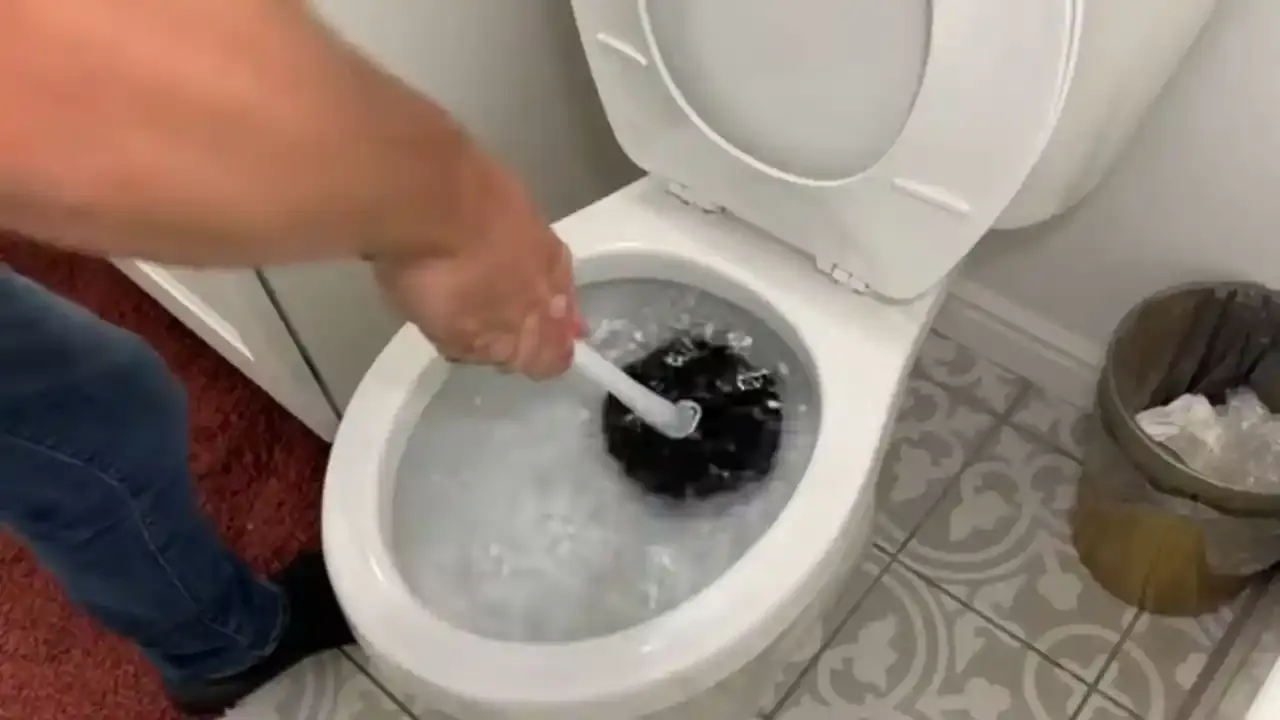
Why one toilet clogs again and again
A toilet is designed to move about 1.6 gallons through a trapway about 2 inches wide, fast enough to carry waste into the drain. When it clogs repeatedly, one of three things is wrong. The load is too much for the flush, the flush itself is weak, or the drain beyond the toilet is partly blocked.
Think of it as three suspects, checked in order. Habits first, hardware second, pipe third. Most clogs end at the first suspect, which is why the habits section comes before any repair talk.
| What you see | Most likely cause | What to do |
|---|---|---|
| Clogs after wipes, paper towels or hygiene products | What was flushed | Stop flushing them, plunge, and retest |
| Bowl fills but empties lazily, no objects flushed | Weak flush, clogged rim jets or low tank water | Clean the jets, check the tank water line |
| Clogs at the same toilet every week | Partial blockage or a toilet set on a bad flange | Have the closet flange and branch checked |
| Several fixtures slow, gurgling or backing up | Main drain clog | Stop using water and call |
| Toilet clogs and the tub smells or gurgles | Venting or a partial main line blockage | Have the line cabled and the vent tested |
What belongs in the toilet, and what does not
Safe to flush
- Human waste
- Toilet paper, in reasonable amounts
- Nothing else, even if the package says flushable
Never flush
- Wipes of any kind, including baby and cleaning wipes
- Paper towels, tissues and cotton balls
- Dental floss, hair and cat litter
- Grease, feminine products and diapers
Wipes labeled flushable do not break down like paper. They knot together in the trap and, further down, in the sewer lateral where roots and rough pipe walls snag them. Over months, a steady habit of flushing wipes can build a mat in a lateral.
What the city and county say to leave out of the drain
The City of Shelbyville runs its own Water Resource Recovery Facility and publishes a Sewer Line Blockage page on its website. That page is the place to check what the city asks residents to keep out of the sewer, and who to call if a blockage is in the public main.
If your home is on a septic system rather than city sewer, the Shelby County Health Department Environmental Division handles septic permits and inspects repairs. Septic tanks suffer more from wipes, grease and harsh cleaners, since solids pile up in the tank and a clog can reach the leach field.
Source type: City of Shelbyville website (sewer and blockage pages) and Shelby County Health Department Environmental Division.
How to plunge properly
Choose a flange plunger
The flat cup type is for sinks. A toilet needs the cup with the extra rubber flap that fits the drain opening.
Set the water level
There should be enough water to cover the cup. If the bowl is low, add water from a bucket. If it is near the rim, bail some out first.
Seal and push gently first
Push the first stroke slowly to expel air, then pump 10 to 15 times with a firm seal. Quick, hard strokes splash and break the seal.
Watch for the drop
When the water swirls away, pour a bucket in to test. A strong drop means it is clear. A slow drain means the blockage is still there.
Stop after a few rounds
If three rounds fail, a closet auger (a short toilet snake with a protected tip) is the next tool. Beyond that, call before you risk scratching the porcelain.
When the problem is the toilet, not the flush
Check the tank. If the water level sits an inch below the overflow tube, the bowl gets less water than designed. Raise the float or adjust the fill valve until the line meets the mark inside the tank.
Rim jets under the lip can be clogged with mineral scale. A mirror and a small wire show whether the holes are open. Scale is a reason to test your tap for hardness, and our toilet repair visits include checking these parts, along with the flapper and fill valve, which are short parts jobs rather than a new toilet.
Toilet performance is tested to ASME A112.19.2, the standard for ceramic plumbing fixtures. EPA WaterSense labels toilets that use 1.28 gallons or less per flush. A WaterSense model that clogs often is a bad fit or a bad drain, so check the line before blaming the label.
Before you call about a repeat clog
These checks help the plumber decide whether it is a toilet fix or a drain line job.
- Note how many days apart the clogs are
- Check whether other drains gurgle when you flush
- Look at the base for rocking, leaking or a wax smell
- Count how many people use the toilet and what goes in
- Do not use chemical drain cleaner, which can burn a technician's skin
When repeat clogs point to the sewer line
If every toilet in the house is slow, or the lowest drain in a basement bubbles when you run the washer, the problem sits in the main line. Roots, a bellied pipe or a heavy grease coating in a lateral can all do this. Cabling clears the stoppage, and a camera shows why it keeps returning.
Our sewer line cleaning work uses a cable machine first, then hydro jetting where scale or grease is the issue. After that, a camera pass shows whether the pipe has a break or a low spot that will clog again.
Toilet backing up into the tub?
Stop running water in the house. Call the 24/7 line and a licensed plumber can clear the line and check why it stopped.
Notes for homes outside the city
Fairland sits northwest of Shelbyville and Waldron to the east-southeast, and homes in both can be on a different system than city sewer. If your home is on a septic system, the rules are stricter about what goes down and how often the tank needs pumping. Ask your installer or the county health department which system you have.
Read more on how we serve the towns on our Fairland and Waldron pages. A toilet that clogs is a plumbing call everywhere, but a septic backup is a different repair than a city lateral.
Toilet clog questions from Shelbyville homes
Generally no. Chemicals sit in the bowl, can crack porcelain or damage seals, and make later plunging dangerous to your skin. A plunger or closet auger is safer.
More paper per flush overloads a weak flush. Check the tank water level and rim jets, and ask guests to flush twice rather than once with extra paper.
Older 1.6 gallon models and some early low-flow designs do. A newer pressure-assisted or well-designed toilet flushes better. A toilet replacement is a job for a plumber, though a flush check comes first.
The City of Shelbyville has a Sewer Line Blockage page on its website, and the city runs its own Water Resource Recovery Facility. Check there or call the city for current guidance.
Look for a tank lid in the yard or check your property records. The Shelby County Health Department Environmental Division keeps septic records, and it can tell you if a system is on file.
Fix the clog first. If the toilet clogs weekly with normal use after the drain is clear, a weak flush design is likely and replacement is worth pricing.