Why look inside the pipe at all
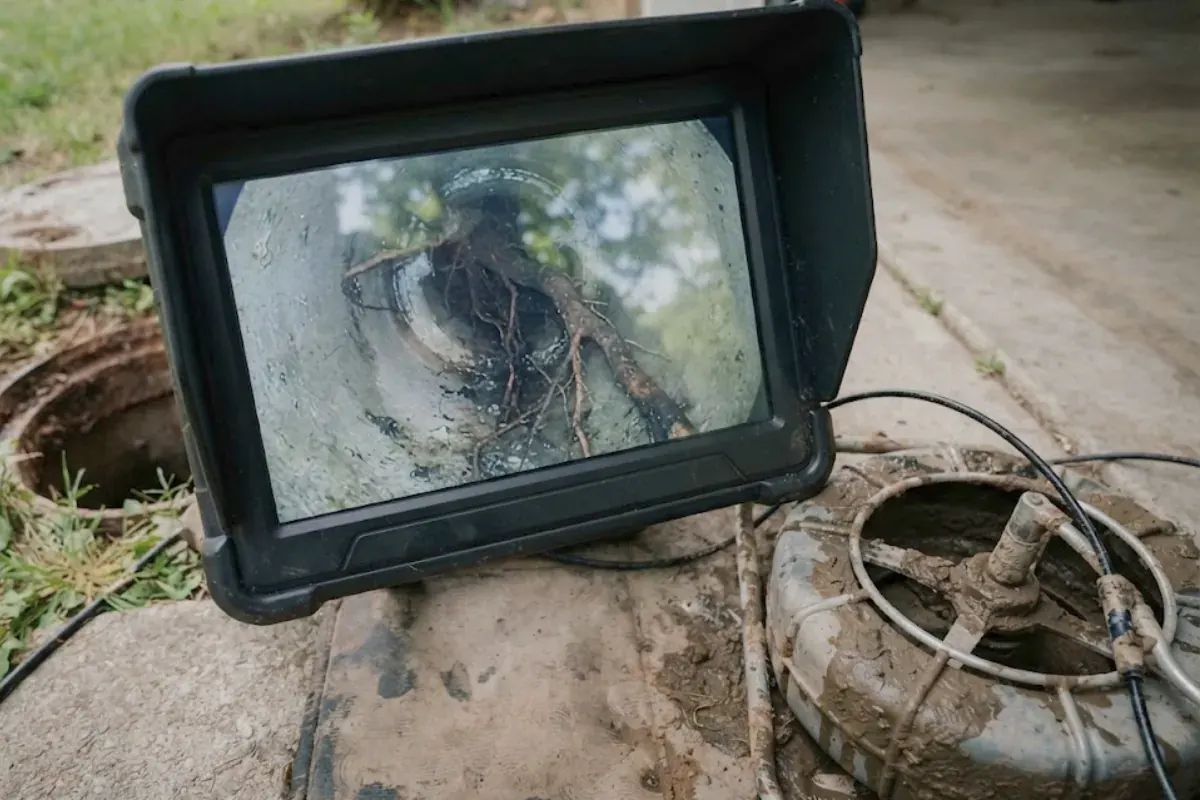
A drain line is buried, so its problems stay hidden until sewage backs up. A camera replaces guessing with video. The plumber sees pipe material, joints, cracks, roots and any belly that holds water, and you keep a copy.
The inspection is a planned visit, not an emergency. If sewage is already coming up, call the 24/7 line first and we will clear the line, then run the camera while the pipe is open.
Buying a house
A pre-purchase scope shows what the home inspector cannot see. A cracked line found before closing is a negotiating fact and not a surprise bill.
Repeat backups
If cabling gives only weeks of relief, the cause is in the pipe. The camera shows which defect.
Before a renovation
Adding a bathroom or finishing a basement puts more load on the line. Check the pipe first.
Slab or yard clues
A sunken patch, a wet spot or a sewer smell outside points to a possible leak below ground.
After a flood or heavy rain
Water that backs up in a storm can be an inflow problem and not a clog. Video separates the two.
What happens during the inspection
Reach the line
The plumber opens the cleanout. Without one, the camera goes in through a pulled toilet or a roof vent.
Clear surface debris
If grease or paper blocks the view, a quick cable pass or short jet clears the lens path. The camera cannot read a pipe it cannot see.
Push the camera to the street
A flexible rod pushes a camera head with lights down the pipe. A transmitter in the head sends a signal to a locator the plumber carries above ground.
Mark depth and distance
Every defect is located by footage count, surface mark and depth, so a repair crew can find it again. The locator marks are not utility marks, so any digging still starts with a call to Indiana 811 at least two business days ahead.
Review the video with you
You see the same screen. The plumber explains what is normal wear, what is a defect and what is urgent. Some inspectors code defects with NASSCO's PACP system, which gives cracks, roots and joints standard names, so ask whether your report uses it.
What the camera can show
| On screen | What it is | What it usually leads to |
|---|---|---|
| Hairline roots at a joint | Roots entering a loose seam | Cutting, then lining or a joint repair |
| Flaking, rough walls | Scale inside cast iron | Jetting, or lining if the wall is thin |
| Standing water in a dip | A belly in the pipe | Replacement of that section |
| Offset or gap at a joint | Shifted or separated pipe | Spot repair or sewer line repair |
| Smooth clean pipe, no defects | A healthy line | Nothing. The clog was local |
Older Shelbyville districts and what a camera tells you
The Shelbyville Commercial Historic District holds buildings from about 1822 to the 1930s, and the West Side Historic District's 373 contributing buildings were built between 1853 and 1939. Homes and storefronts that old can have clay, cast iron and later plastic joined in the same drain run.
If you are buying or renovating in one of those areas, a camera look is the fastest way to learn which material runs under your floor and how much of it is still sound. Ask for the footage in writing before you plan any other work.
Closing on a house soon?
Call the 24/7 line and ask for a planned camera inspection. Same-day appointments are offered when available.
Camera inspection gives you
- Video of the actual pipe condition
- Depth and distance of each defect
- A basis to compare repair quotes
- Proof for a negotiation or insurer
It does not give you
- A guarantee on the part of the line you could not reach
- A fix. Repairs are a separate step
- A view past a full blockage until it is cleared
- Information on the city sewer main
What changes the price of a camera inspection
An inspection is priced by the visit, the length of line and the time spent on access. You hear the price before work starts.
Homeowner insurance usually does not pay for inspections, though some policies reimburse them when tied to a claim. A buyer may negotiate the cost with the seller.
After the camera: what you can decide
With video in hand, the next step becomes clear. A clean line needs nothing but a short cleaning when something plugs. A rooted line gets hydro jetting now and a repair plan later, and a broken line goes to a repair quote.
Keep the footage. If the line is fine today, it becomes a baseline you can compare against in three or four years. We also run inspections for homes in Waldron and the county.
If a liner is on the table, the usual method is cured-in-place pipe, described by ASTM F1216, where a resin-soaked tube is inverted into the old pipe and cured. A liner needs a pipe that is open end to end, so the footage decides whether lining is even possible.
Sewer camera inspection questions answered
The camera run on a short house line is often quick once the cleanout is open. Setup, pre-cleaning and marking add time, so the plumber gives you a window when you book.
Yes, especially for an older house. A scope costs far less than a dug-up yard. Buyers can use the footage to ask for a repair credit.
Yes. A transmitter in the camera head lets the plumber mark the surface and read the depth, so excavation can be limited to the real spot.
We clear the line first, since a full pipe blocks the view. If sewage is on the floor now, the 24/7 line comes first and the inspection follows.
Ask when you book. Footage is the main value of the visit, and you should leave with it or a link to it.
It can view the pipe from the house to the tank. The tank and drain field are a separate job, and repairs are permitted through the Shelby County Health Department.
If it has never been scoped, once. After that, scope when problems return or before major work. A healthy PVC line may need only a baseline.