Two problems that sound alike
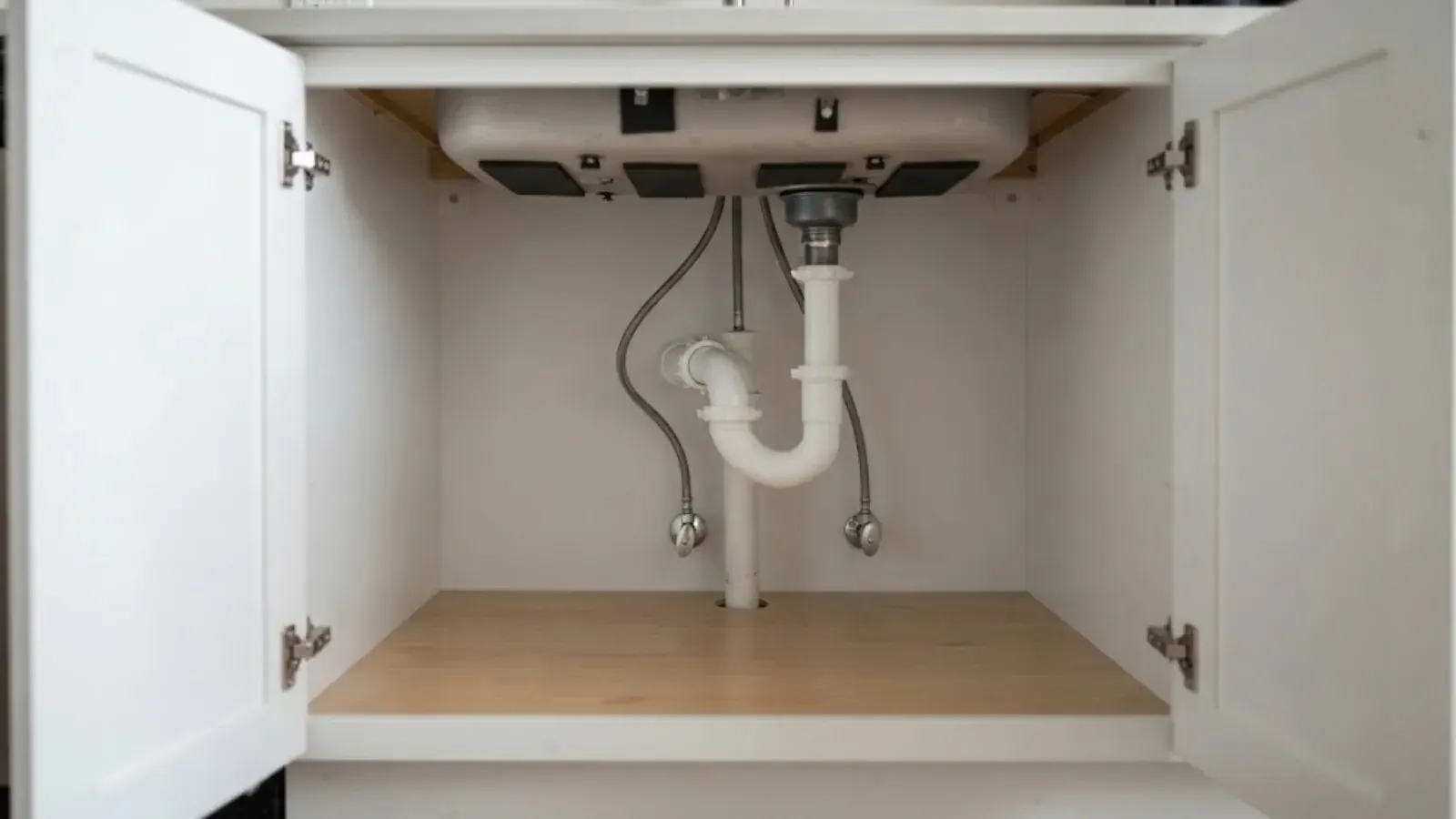
A bathroom sink drains through a P-trap, a curved pipe that holds a plug of water to block sewer gas. Behind that trap, a vent pipe lets air in so the water can flow. If either one is restricted, the sink drains slowly and may burp.
The difference is what you see. A clog holds water in the basin and drains in a slow spiral. A vent problem lets the sink empty in fits, with a gulp and a gurgle, and may pull the trap water out so the room smells. The Indiana Plumbing Code sets the venting standard for fixtures, which is why a sink that gurgles after a remodel is worth checking against code.
| What you notice | Points to a clog | Points to a vent problem |
|---|---|---|
| Water stands in the basin | Yes, drains slowly | Rarely |
| Gurgle or glug as it empties | Sometimes | Yes, usually |
| Other fixtures also gurgle | No | Yes, on the same branch |
| Smell of sewer after use | Rarely | Yes, trap water gets pulled |
| Problem started after a remodel | Unlikely | Likely, a vent may be mis-piped |
| Plunger or cleaning the stopper fixes it | Yes | No |
Try the quick fixes in this order
Pull the stopper and clean it
Most pop-up stoppers hold a wad of hair and soap. Lift or unscrew it, wipe off the slime, and run water.
Check the trap under the sink
Put a bucket under the P-trap, unscrew the two slip nuts by hand, and rinse the trap out. Reassemble with the washers seated flat.
Use a small drain snake
A 1/4 inch hand auger gets past the trap into the wall pipe. Turn it slowly, do not force it, and pull out what you catch.
Avoid chemical openers
Caustic cleaners sit in the trap, can burn skin when you open it, and do not clear a vent. Mechanical clearing is safer on old pipes.
If the sink drains fine after steps one to three, you had a clog. If the trap is clean and the sink still gurgles, move on to the vent tests below.
Simple tests for a vent problem
- Fill the sink and let it go while you watch the tub or shower drain in the same bathroom. Bubbling there points to a shared vent.
- Flush the toilet while the sink drains. If the sink gurgles or the toilet bowl level bobs, air is being drawn through traps.
- Open the cabinet and look for an automatic air admittance valve (a plastic one-way valve) on the drain. Press its top. A stuck valve may need replacing.
- Check whether the sink was moved or the vanity replaced. New vanities often change where the drain sits, and the vent connection may not have followed.
The old-house factor
Many homes in the West Side Historic District date from about 1853 to 1939, and plumbing that old has usually been altered more than once. A sink moved decades ago may share a vent with the tub or rely on one that was shortened or buried. If the sink has gurgled since you moved in, suspect the layout, and tell the plumber the year the house was built.
Pre-1940 houses, vents and the plumbing code
The West Side Historic District is listed on the National Register of Historic Places, with buildings developed from about 1853 to 1939. For a house from that era, the original drains may be cast iron or clay, so a camera look at the sink branch is a sensible first step before anyone opens a wall.
The city lists the 2012 Indiana Plumbing Code on its building codes page. Plumbing codes in general require each fixture trap to be vented, so a vent that was cut off or capped in a remodel is a code problem and a permit question, not only a gurgle. Ask the building department before moving a sink.
Source type: National Register of Historic Places district listing (West Side Historic District, 1990) and the City of Shelbyville Building Codes page.
Habits that keep a bathroom sink clear
Most slow sinks are a maintenance issue, not a plumbing failure. Clean the stopper every month or two, because hair and soap build up where the pivot rod passes through the tailpiece. A drain-top hair catcher stops most of what would otherwise reach the trap.
- Rinse the basin with hot tap water after shaving or brushing to move soap film along.
- Keep oils, grease and wax-based products out of the drain.
- Pour a cup of water into rarely used sinks and floor drains every few weeks so the trap keeps its water seal.
- Each fall, look at the roof vent opening from the ground with binoculars. Do not climb a wet or frosty roof to check it.
What a plumber checks that you cannot
A plumber will run a cable through the sink branch and send a small camera behind it to see whether the pipe sags, has a belly that holds water, or has scale buildup. A smoke test at the roof or an air test at the vent confirms whether the vent is open. These tools turn a guess into a diagnosis.
If the branch is clear and the vent is blocked, the fix may be a roof-top clean-out or reconnecting a vent in the wall. Both are covered in our drain cleaning work, with the second sometimes needing a permit. For a sink that also drips from the faucet or has a stiff valve, a visit for faucet repair can handle everything at once.
Sink still gurgling after the quick fixes?
Call the 24/7 line. A licensed plumber can test the vent and the drain together and tell you what the sink needs.
When a gurgling sink is a warning
Treat it as urgent if gurgling comes with water backing up in the shower or tub, a sewer smell that lingers, or a toilet that bubbles when the sink runs. Those point to a partial blockage in the main drain, not just the sink branch. Stop running water and call.
That advice holds across the county. Homes outside the city may be on a town sewer or a septic system, so ask which you have. We cover those towns on our Morristown and Waldron pages.
Tell the plumber these things
A few details speed up the diagnosis.
- Which fixtures gurgle and in what order
- Whether the problem started after a remodel or a new vanity
- The year the house was built, if you know it
- Whether you have used drain cleaner recently
- Whether you can hear gurgling in the wall or only at the drain
Bathroom sink vent questions
The two share a drain line, and the flush pushes a slug of water past the sink branch. If the vent is open, air feeds in smoothly. If not, the sink trap gets pulled and gurgles.
Yes, from nests, leaves, ice or a pipe that has collapsed or been closed during a remodel. A roof opening is the most common place for the blockage.
Not by itself, but a siphoned trap can let sewer gas into the room. Pour a cup of water into the drain to refill the trap and call a plumber if the gurgle continues.
Sometimes. It lets air in under the sink when no roof vent is practical. Local code decides where one can be used, so ask the building department before fitting one.
Homes in the West Side Historic District were built from about 1853 to 1939, so any original drains are very old. A camera inspection shows the actual pipe material and condition.
If the stopper pivot is worn, replace the stopper. If the tailpiece leaks or is corroded, replace the full assembly, which is a short job for a plumber.